Efficient processing of rolled metal is impossible without a reliable transport system. Even the most advanced equipment cannot unlock its full potential if parts have to be moved manually.
That is why the Techvagonmash develops and implements material handling systems for surface preparation and painting lines.
In this article, we will look at the types of transport systems used for shot blasting and painting of rolled metal and welded metal structures.
Main Types of Transport Systems
The most common methods of transportation are roller conveyors and overhead conveyors. There are also specialized solutions for non-standard tasks.
Roller Conveyors
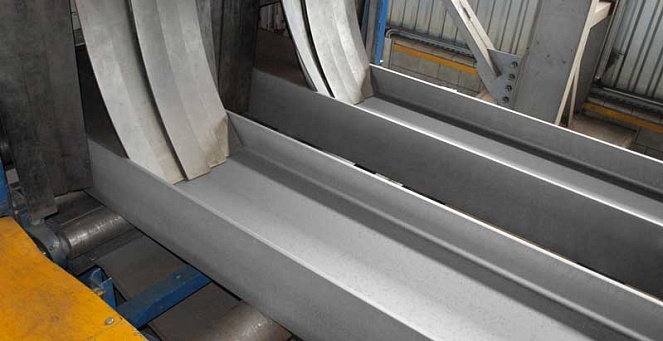
Roller conveyors are designed for transporting sheet and profile rolled metal, as well as welded metal structures. They allow safe movement of elements through shot blasting machines and surface treatment lines. Conveyors are particularly effective for wide and very heavy assemblies up to 1.5 meters high, ensuring stable and safe handling of parts.
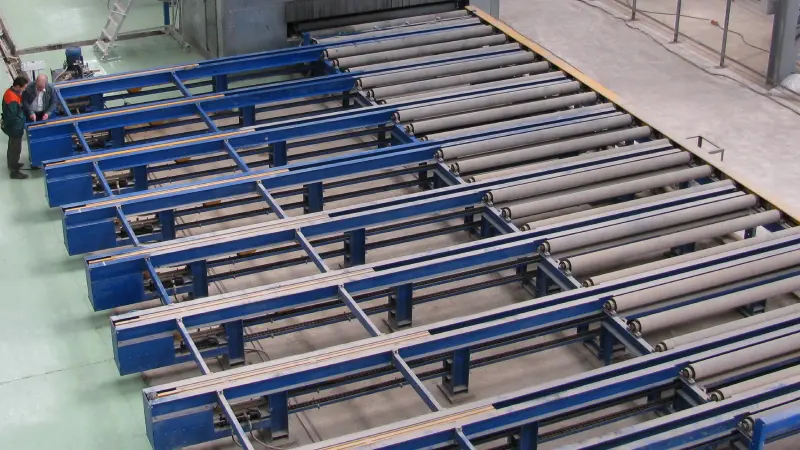
Overhead Conveyors
For large and bulky welded structures over 1.5 meters in height, shot blasting (shot peening) systems with an overhead transport system are used.
The choice of a specific rail system depends on the size of the product and technological requirements.
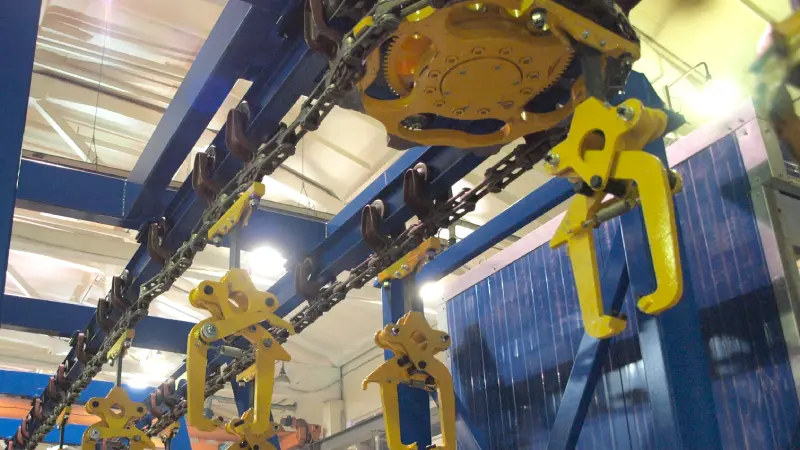
For large and bulky welded structures over 1.5 meters in height, shot blasting (shot peening) systems with an overhead transport system are used.
The choice of a specific rail system depends on the size of the product and technological requirements.
The main options include:
- Simple chain conveyor – all hangers move at the same speed.
- Power & Free systems – individual hangers can be disconnected from the moving chain.
- Powered trolleys – the speed and movement of each trolley are controlled independently. These systems can transport very heavy loads weighing several tons.
Specialized Solutions
In addition to roller and overhead conveyors, there are various specialized devices for transportation.
The main types include:
Cross transport – moves beams, round rolled products, and other elements from the storage area to the roller conveyor and back.
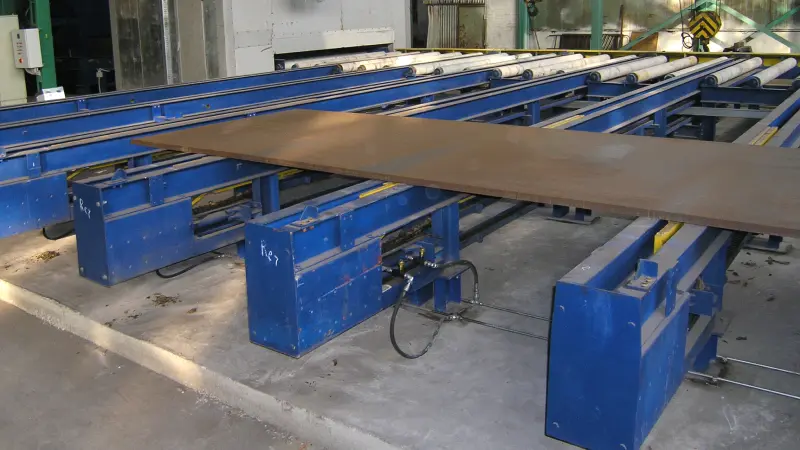
Special chain conveyors – used in paint booths, minimizing the contact area of parts with the transport system.
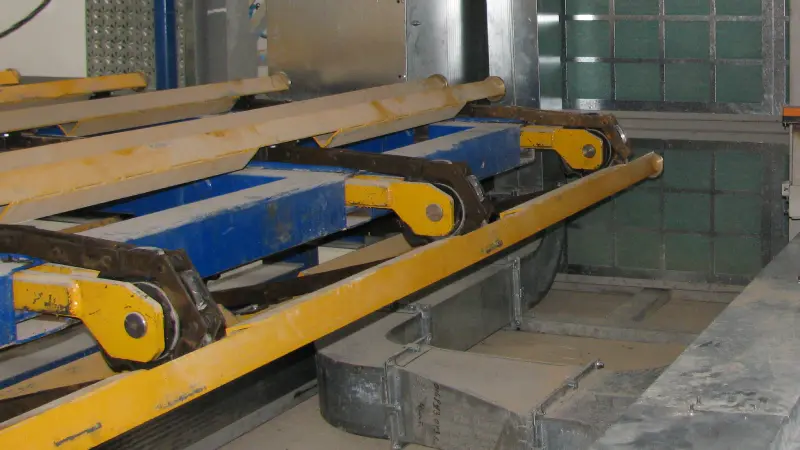
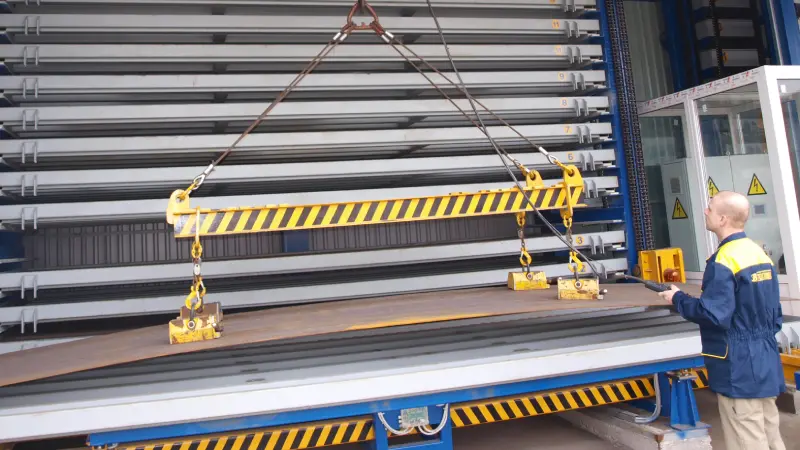
Magnetic traverses – lift sheet metal, beams, pipes, and welded structures for vertical loading.
Integrated Processing Lines
Processing lines for metal structures are often a combination of standard and specialized systems. For example, sawing, drilling, and shot blasting machines are often integrated with cross-loading tables and roller conveyors, creating a fully automated process.
The Techvagonmash collaborates with leading manufacturers of high-precision cutting and processing equipment to create turnkey integrated lines. Such optimized production flows ensure high-quality finishing, cutting, and drilling of steel structures while eliminating common equipment compatibility issues.
Related articles
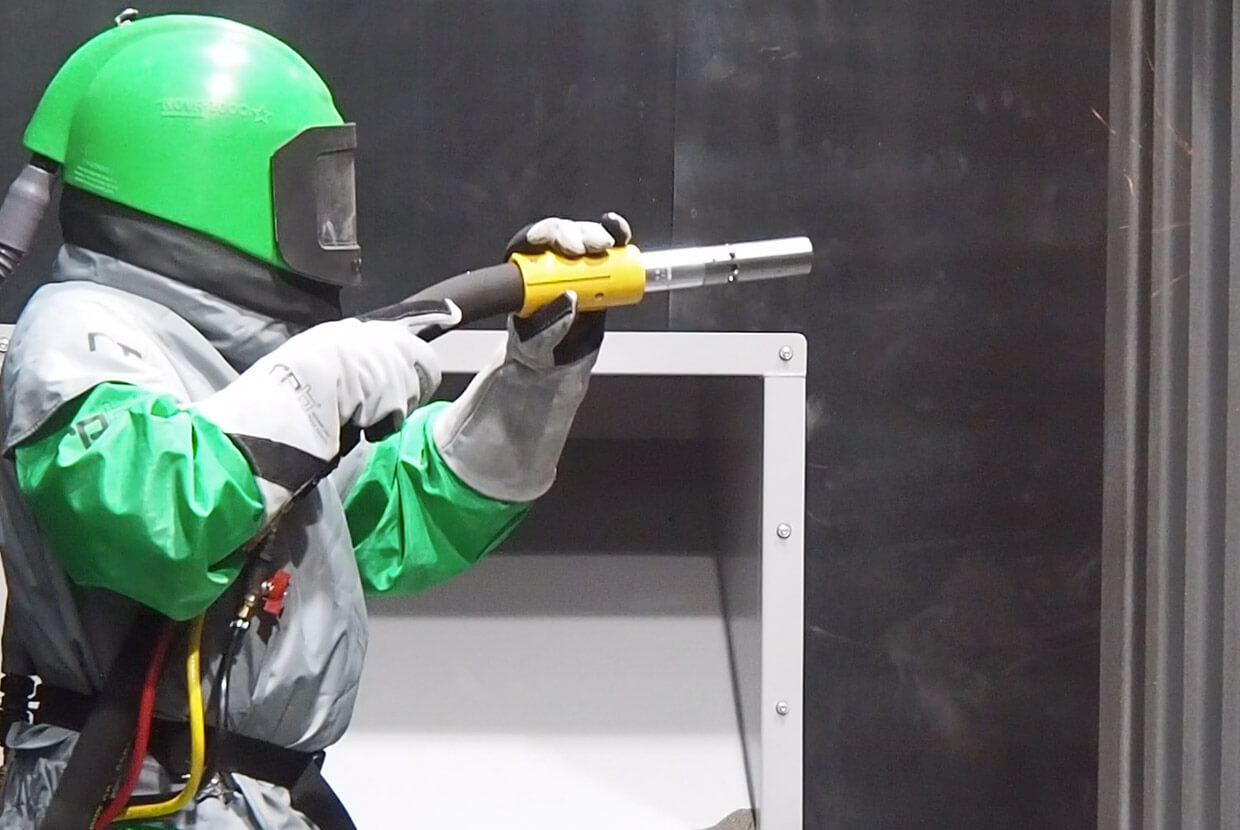
Shot blasting problems are not always caused by poor abrasive quality. In practice, the final cost of the process is shaped by a whole set of factors: working pressure, machine type, separator settings, nozzle wear, and how the abrasive is actually cycled through the system.
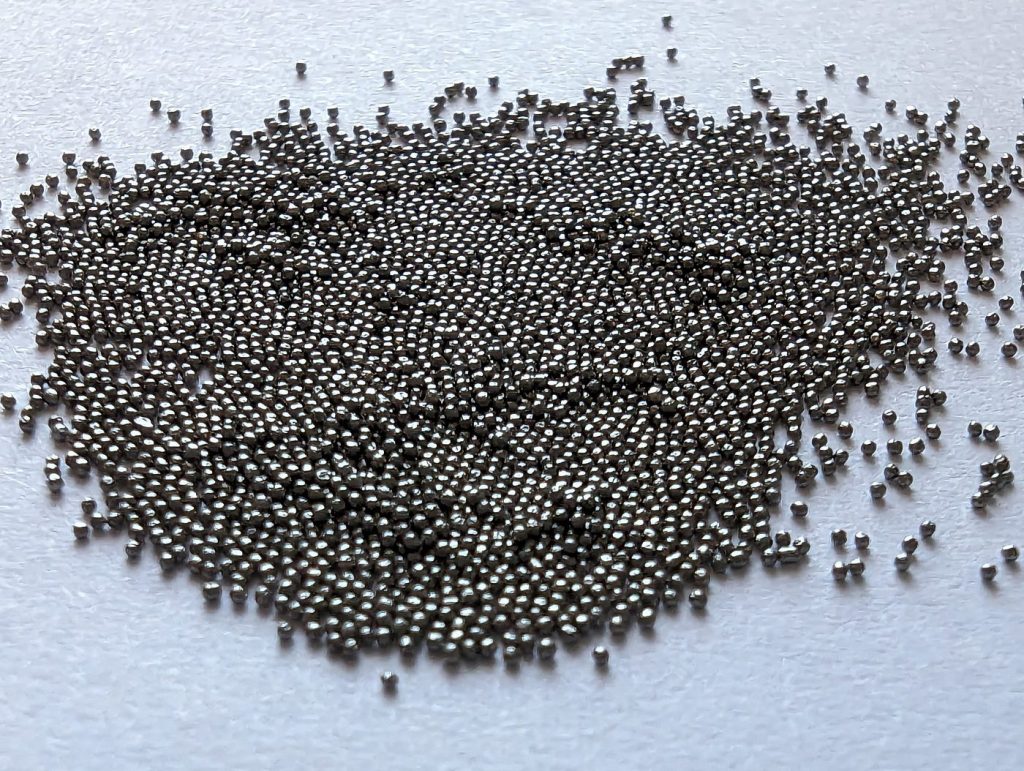
Shot blasting remains the standard for surface preparation in mechanical engineering due to its speed, repeatability, and the cost-effectiveness of abrasives over large volumes. In this new article, we explore the operating principle, types of shot and equipment, and key differences from sandblasting.
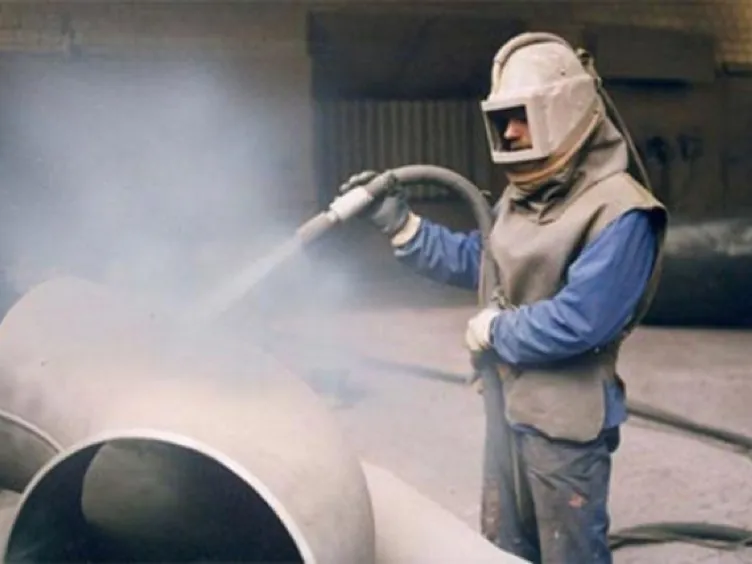
One of the main methods of surface preparation (cleaning and imparting the required roughness) is sandblasting, shot blasting, and wheel blasting treatment. The topic of differences between sandblasting, shot blasting, and wheel blasting technologies is quite relevant. Substitution of these concepts and terms occurs even in professional circles. At the same time, the differences are very significant, and it is simply impossible to ignore them.
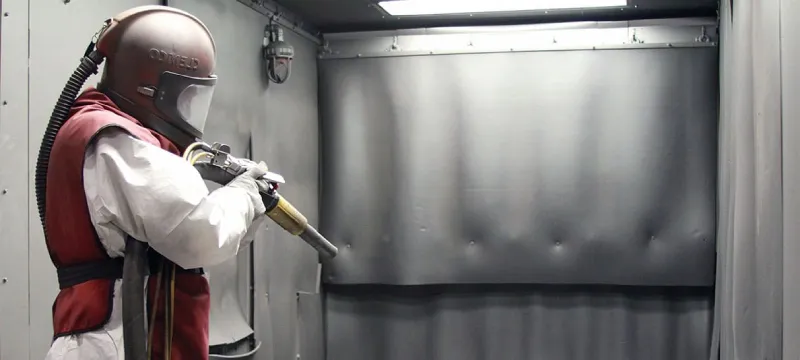
10 practical rules that should be built into the design of shot blasting equipment and into the workshop's operating procedures.
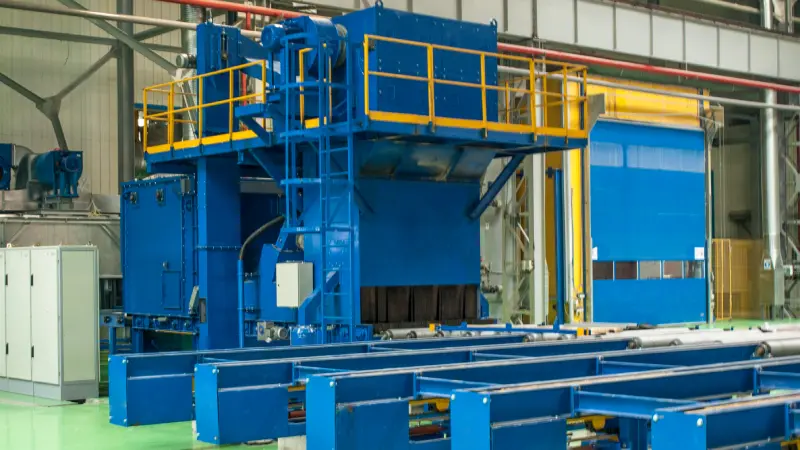
This article discusses the most popular shot blasting machines: a description of their operation and key characteristics.

Learn how to properly clean abrasive residue and dust from metal to ensure reliable surface preparation for painting and extend the service life of steel structures.
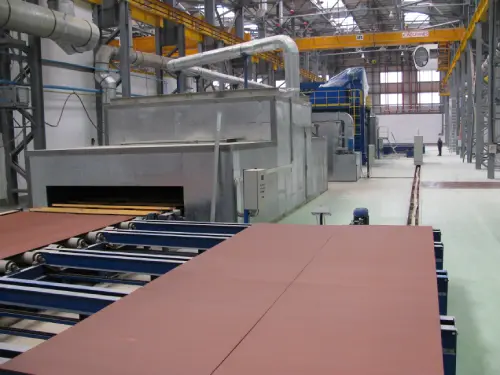
High-quality surface preparation and interoperation protection of rolled metal products are crucial factors in ensuring maximum service life and the highest quality of protective coatings. This preparation can be achieved through shot blasting, followed by the application of a conductive protective primer on the surface of the rolled metal at the stage of its delivery to production.
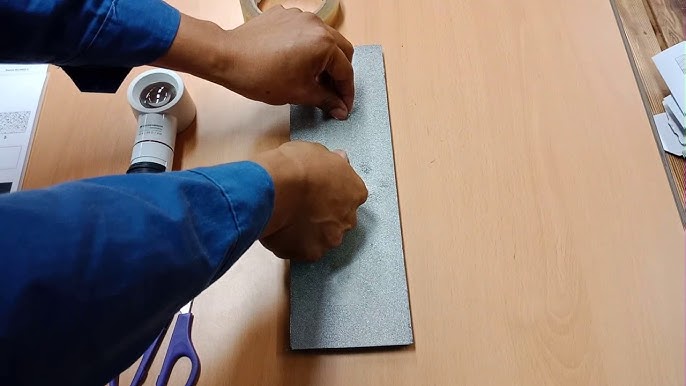
Correct surface preparation is one of the key factors affecting the durability of paint and protective coatings. Measuring the level of dust on steel surfaces before painting helps determine whether additional cleaning and preparation are required.
This article provides a brief description of the types and characteristics of shot blasting equipment.