Shot blasting problems are not always caused by poor abrasive quality. In practice, the final cost of the process is shaped by a whole set of factors: working pressure, machine type, separator settings, nozzle wear, and how the abrasive is actually cycled through the system. So before blaming a “bad batch of shot,” it pays to look at the entire process — which is exactly how engineers who design and service shot blasting and shot peening equipment approach diagnostics.
A telling example: after one processing cycle, 1 tonne of abrasive typically produces around 45–60 kg of dust. That’s a loss rate of roughly 4.5–6%. For angular (chilled iron) shot, this result is already a warning sign — but it doesn’t automatically mean defective material. Just as often, the cause is an overly aggressive process setting, separator misconfiguration, or the naturally higher wear typical of air-blasting systems.
The main symptom: excessive shot dusting
If one cycle turns 45–60 kg of every tonne of abrasive into dust, that’s a sign of elevated consumption. A normal, healthy loss rate is usually 20–40 kg per tonne, i.e. 2–4%. Anything above 50 kg of dust per tonne is a reason to check the process parameters carefully.
| Loss rate | Per 1 tonne | Assessment |
|---|---|---|
| 2–4% | 20–40 kg of dust | Normal |
| 4.5–6% | 45–60 kg of dust | Warning sign |
| >6% | 60+ kg of dust | Needs urgent diagnostics |
This kind of result isn’t a critical anomaly on its own, but it’s a clear signal that something in the process is accelerating grain breakdown.
10 of the most common shot blasting problems
1. Excessive abrasive consumption
This is one of the most frequently reported issues in the field. It shows up as a fast rise in dust volume, falling throughput, and having to top up abrasive more often. In most cases the cause isn’t the shot itself but an overly harsh process setting: the higher the pressure and the more dynamic the stream, the greater the risk of grain breakage on impact.
2. Overly aggressive process parameters
One of the most likely causes is a process setting that’s simply too harsh. If the equipment runs at 7–8 bar with a high air flow rate, angular shot wears out noticeably faster: the grains hit the surface with more energy, fracture more often, and end up as dust.
| Parameter | Effect on the process | Likely consequence |
|---|---|---|
| Excess pressure | Harder grain impact | More dust, faster wear |
| High air consumption | More aggressive stream | Breakdown of working fraction |
| Overly long cycle time | More grain-to-grain collisions | Higher material losses |
The more aggressive the process, the greater the risk of excess losses. That’s why diagnostics should always start with checking pressure, air consumption, and how long the material is exposed on the surface.
3. Air blasting instead of a turbine (wheel blast) system
In pressure-fed (air blasting) systems, abrasive consumption is generally higher than in turbine-based wheel blast systems. This comes down to less controlled impact patterns and more aggressive self-attrition of the grain within the circulation loop. If the process runs through a pressure vessel, hoses and nozzles, producing 45–60 kg of dust per tonne of material becomes technically explainable.
4. Incorrect separator settings
The separator has a direct effect on process economics. Set too aggressively, it strips out still-usable working fraction along with the dust. Set too lightly, dust stays in the loop and accelerates the breakdown of the remaining grains. Either way, costs rise and process stability drops.
5. Nozzle and equipment wear
A worn nozzle changes the character of the stream and reduces surface cleaning efficiency. Foreign objects, damaged rubber components, or contamination inside the nozzle distort the abrasive’s trajectory and accelerate wear of both the material and the equipment itself. In practice, even high-quality shot won’t perform correctly if the abrasive delivery path isn’t kept in good technical condition.
6. Unstable abrasive flow
Uneven media feed shows up as reduced cleaning quality, a “fluctuating” stream intensity, and inconsistent surface treatment. The usual causes are blockages, contamination, nozzle wear, or an insufficient abrasive level in the system.
7. Contaminated abrasive
Shot blasting problems are often tied to contamination of the abrasive itself. Paint residue, rust, oil, moisture, or foreign particles can build up in the circulation loop, degrading cleaning quality and increasing equipment wear. In some cases, contaminated abrasive also leaves unwanted inclusions on the treated surface.
8. Fine particle deposits on the surface
Overly fine shot fractions and dust can settle on the workpiece surface, especially when process control is inadequate. This is critical for parts that need a high level of surface cleanliness before painting, passivation, or other finishing steps.
9. Dust extraction (aspiration) problems
If the dust extraction system isn’t working efficiently, dust stays in the work area and re-enters the circulation loop. This reduces visibility inside the chamber, worsens working conditions, accelerates abrasive wear, and can negatively affect the final treatment result.
10. A suboptimal media-use model
If shot is used only once and then discarded, even high-quality abrasive becomes economically unviable. This kind of single-pass setup isn’t typical of professional shot blasting and doesn’t allow for an objective assessment of the material’s real durability.
| Problem | Most likely cause | Consequence |
|---|---|---|
| Excessive dusting | Excess pressure or too fine a fraction | Higher abrasive losses |
| Uneven stream | Blockage, nozzle wear, unstable feed | Inconsistent surface finish |
| Fast abrasive consumption | Air blasting, aggressive settings | Higher process cost |
| Surface contamination | Dirty abrasive or dust in the loop | Lower finish quality |
| Falling throughput | Nozzle wear, weak aspiration | Reduced process efficiency |
Does a problem always mean low-quality shot?
No. If a similar result repeats across several different batches of material, that’s a much stronger indicator of a process issue than of a one-off bad batch. It’s only worth questioning the abrasive itself once the equipment is correctly set up, the separator is functioning properly, and the result is still poor.
If losses consistently exceed 60 kg of dust per tonne even with a correctly configured process, it’s then reasonable to look at causes like insufficient impact toughness of the shot, micro-cracking, or an unstable material structure.
How to properly diagnose shot blasting problems
To separate a process issue from a material issue, it helps to work from concrete, measurable data — that’s the only reliable way to pin down the actual cause of losses:
- check the particle size distribution of the shot before and after a cycle;
- measure the share of fraction under 0.3 mm;
- review the separator settings;
- check actual pressure and air/abrasive flow rate in the system;
- inspect the condition of nozzles and other wear parts;
- run a comparative test with a different batch of shot under identical conditions.
How to reduce dusting and abrasive consumption: recommendations from Techvagonmash engineers
As a manufacturer of shot blasting and shot peening equipment, blast chambers, and abrasive recovery systems, we regularly deal with exactly these questions on customer sites. Based on field experience, here are several steps that reduce shot losses without sacrificing cleaning quality:
- match working pressure and shot velocity to the specific surface and contamination type, rather than defaulting to “maximum” settings;
- use turbine (wheel blast) systems wherever technically feasible — they deliver more stable, controllable abrasive consumption than air blasting equipment;
- calibrate and check the separator regularly, avoiding both over- and under-screening of the working fraction;
- replace worn nozzles and rubber components in the delivery path promptly;
- keep the dust extraction and abrasive recovery systems running efficiently;
- log abrasive consumption per cycle — this makes it possible to catch a deviation early, rather than after the fact.
Conclusions
A sharp rise in dusting and abrasive consumption usually doesn’t, on its own, confirm that the abrasive quality is at fault. The process itself carries far more weight, especially:
- overly aggressive working pressure;
- the nature of air-blasting versus turbine (wheel blast) systems;
- possible separator misconfiguration;
- nozzle and equipment wear;
- a suboptimal abrasive use and recovery model.
Shot blasting problems are best diagnosed step by step: start with process parameters, then check the separation system and the equipment’s technical condition, and only look at the material itself last. This approach helps reduce dusting, extend abrasive service life, and lower the overall cost of surface treatment.
Related articles
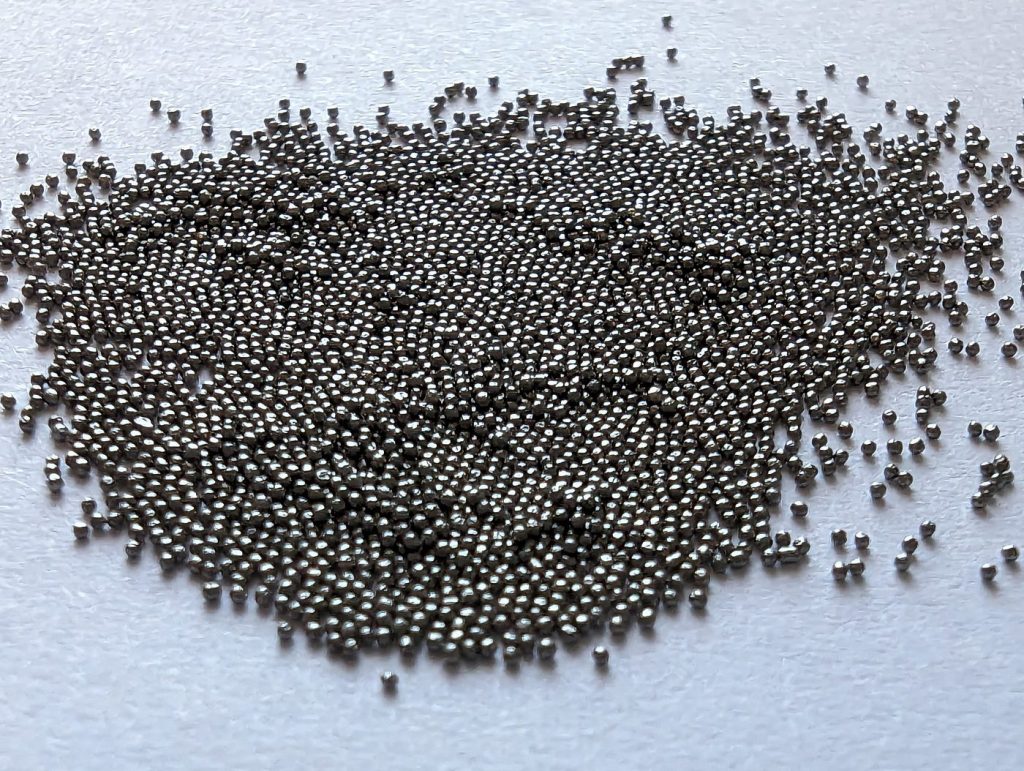
Shot blasting remains the standard for surface preparation in mechanical engineering due to its speed, repeatability, and the cost-effectiveness of abrasives over large volumes. In this new article, we explore the operating principle, types of shot and equipment, and key differences from sandblasting.
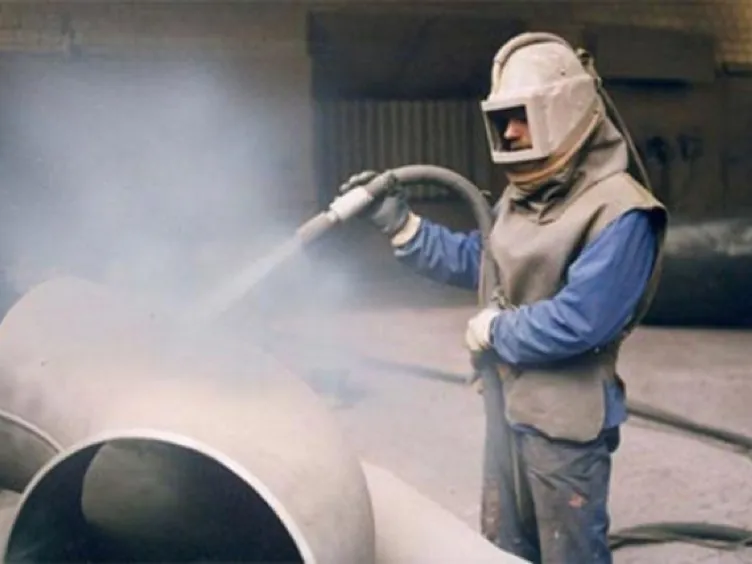
One of the main methods of surface preparation (cleaning and imparting the required roughness) is sandblasting, shot blasting, and wheel blasting treatment. The topic of differences between sandblasting, shot blasting, and wheel blasting technologies is quite relevant. Substitution of these concepts and terms occurs even in professional circles. At the same time, the differences are very significant, and it is simply impossible to ignore them.
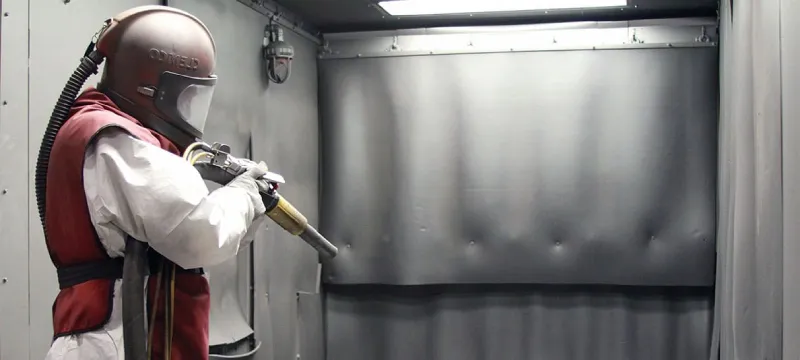
10 practical rules that should be built into the design of shot blasting equipment and into the workshop's operating procedures.
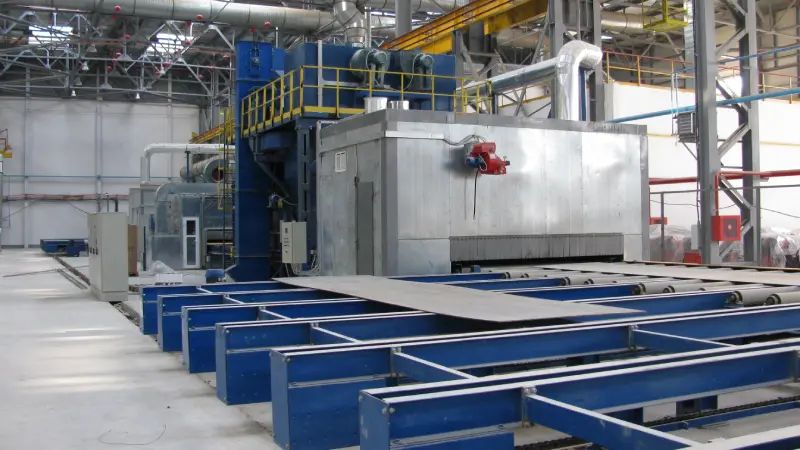
In this article, we will look at the types of transport systems used for shot blasting and painting of rolled metal and welded metal structures.
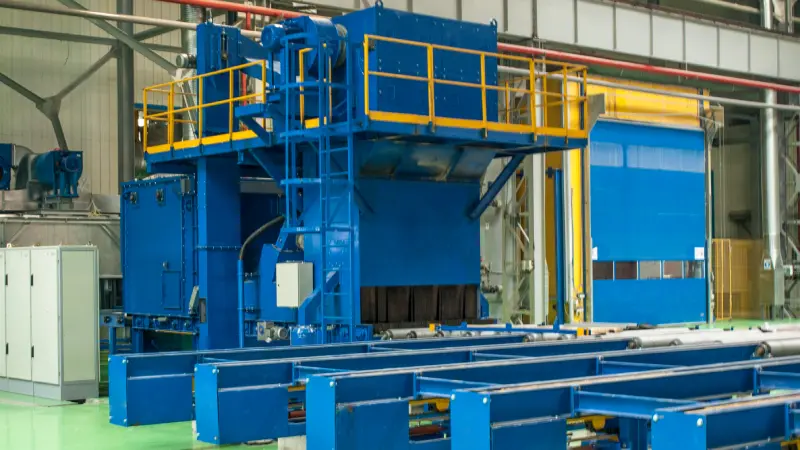
This article discusses the most popular shot blasting machines: a description of their operation and key characteristics.
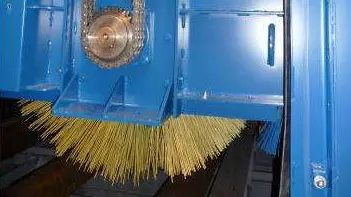
Learn how to properly clean abrasive residue and dust from metal to ensure reliable surface preparation for painting and extend the service life of steel structures.
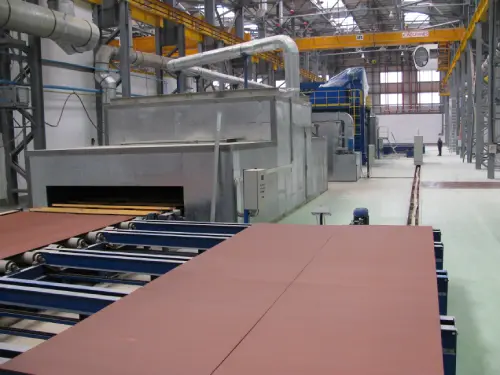
High-quality surface preparation and interoperation protection of rolled metal products are crucial factors in ensuring maximum service life and the highest quality of protective coatings. This preparation can be achieved through shot blasting, followed by the application of a conductive protective primer on the surface of the rolled metal at the stage of its delivery to production.
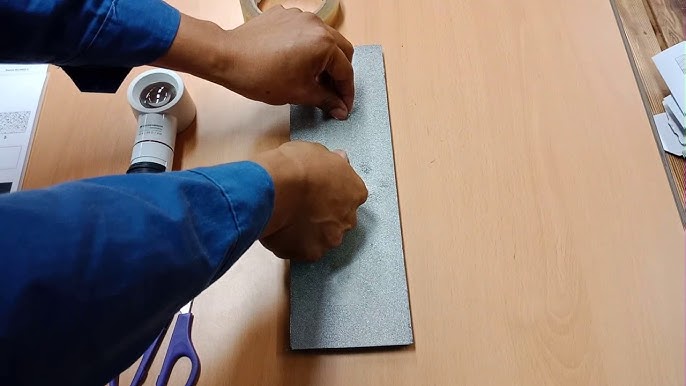
Correct surface preparation is one of the key factors affecting the durability of paint and protective coatings. Measuring the level of dust on steel surfaces before painting helps determine whether additional cleaning and preparation are required.
This article provides a brief description of the types and characteristics of shot blasting equipment.