Shot blasting remains one of the most effective ways to prepare a metal surface before painting, welding or coating. It is also one of the most demanding processes on the shop floor when it comes to safety: abrasive dust, noise, compressed air pressure and the risk of a dust-air mixture explosion all call for a systematic approach to protecting personnel. The engineers at Tehvagonmash have put together 10 practical rules that should be built into the design of shot blasting equipment and into the workshop’s operating procedures.
1. Emergency stop on the blasting unit and automatic doors
The blasting unit’s control panel must be fitted with an emergency stop button accessible not only to the operator but to any employee nearby. The chamber’s automatic loading doors should also have their own emergency stop circuit — this rules out a situation where a person gets caught by a door or panel during a processing cycle.
2. Dead-man control on the blasting hose
A pneumatic or electric self-returning valve (dead-man control) on the blasting hose handle instantly cuts off the supply of abrasive and air the moment the operator releases the grip. This is critical if the operator loses balance, drops the hose, or suddenly feels unwell — the abrasive flow stops without any further human action.
3. Communication between the operator inside the chamber and an observer outside
In large shot blasting chambers and walk-through cabins where several operators work, a two-way communication system between the person inside the chamber and an observer outside is mandatory. This allows an immediate signal about a malfunction, a health issue, or the need to stop the process.
4. Visual and audible alarms
The chamber should be equipped with visual and audible alarm signals that warn the operator of external hazardous situations — fire, an accident on the site, or the need for immediate evacuation. The alarms must remain audible and visible even while the blasting unit and the extraction system are running.
5. Grated floor instead of a solid surface
Used abrasive that accumulates on the chamber floor creates two risks: a slippery surface that makes it easy to lose balance, and a loss of abrasive that should be feeding the recycling system. A grated floor combined with a system that returns abrasive to the storage silo solves both problems — the abrasive goes straight into the transport system, and the surface underfoot stays dry and stable.
6. Quality lighting of the work area
Good visibility of the workpiece and the abrasive stream directly affects both processing quality and the safety of the operator’s movements. Modern shot blasting chambers are fitted with LED lighting in an explosion-proof or dust-proof design — this reduces the risk of errors while also cutting energy consumption compared with traditional lamps.
7. Explosion-proof design of the chamber and the filter-ventilation unit
The blasting process generates large amounts of abrasive and metal dust of varying particle sizes. At certain ratios of dust to oxygen in the air, an explosive mixture can form. At the design stage of the chamber and filter, the dust explosion class (KSt) must be determined, and if necessary the unit must be built to ATEX standards: a reinforced housing, pressure relief panels, spark-proof fans, grounding cables and additional sensors. In some cases a separate explosion venting duct is required to direct the shock wave and flame away from the workshop.
8. Proper organization of air flow
The extraction system — inlet grilles, baffle plates, extraction points and an externally mounted filter — must provide sufficient air exchange rate based on the type of abrasive, the size of the chamber, and the characteristics of the parts being processed. Supplied compressed air should also pass through a conditioning system (drying and filtration) so it doesn’t reduce visibility or increase humidity inside the chamber.
9. A full set of personal protective equipment for the operator
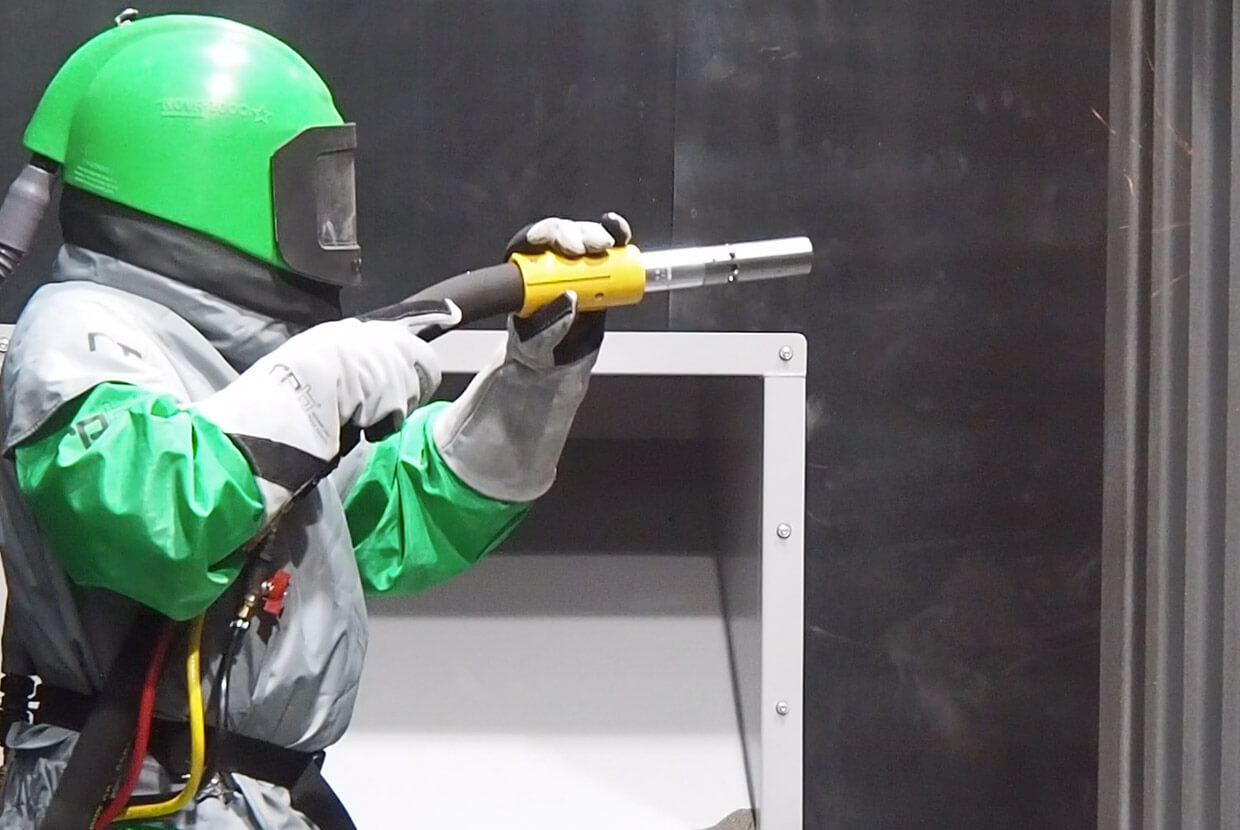
Operator comfort and safety depend directly on the quality of PPE: an air-fed blasting helmet, hearing protection (earmuffs or plugs), a durable protective coverall, wear-resistant gloves, and safety footwear with reinforced toe caps. Cutting corners on this kit leads to a higher rate of occupational illness and reduced staff productivity.
10. Robotics and automation of shot blasting
Shot blasting is a heavy and dirty process. Wherever it is technically feasible, moving the operation to a robotic complex or manipulator fundamentally changes working conditions: the operator moves into an isolated cabin with a continuous supply of fresh air and controls the process remotely, without direct contact with the abrasive stream or dust.
Safety built into the design, not added afterward
These ten rules only work when they are built into the equipment at the design stage rather than added as an afterthought. When developing roller-conveyor, overhead-rail and walk-through shot blasting chambers, as well as robotic complexes, Tehvagonmash builds in emergency stop circuits, grated floors with abrasive recycling systems, ventilation paths and, where required, explosion-proof design — as part of the unit’s base configuration.
To select a shot blasting chamber matched to your production parameters and safety requirements, contact Tehvagonmash’s engineers — request a consultation.
Related articles
Shot blasting problems are not always caused by poor abrasive quality. In practice, the final cost of the process is shaped by a whole set of factors: working pressure, machine type, separator settings, nozzle wear, and how the abrasive is actually cycled through the system.

Shot blasting remains the standard for surface preparation in mechanical engineering due to its speed, repeatability, and the cost-effectiveness of abrasives over large volumes. In this new article, we explore the operating principle, types of shot and equipment, and key differences from sandblasting.
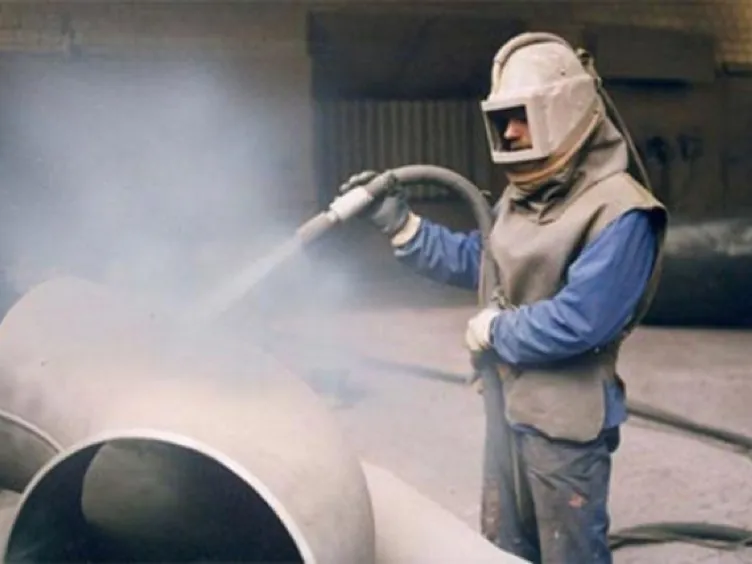
One of the main methods of surface preparation (cleaning and imparting the required roughness) is sandblasting, shot blasting, and wheel blasting treatment. The topic of differences between sandblasting, shot blasting, and wheel blasting technologies is quite relevant. Substitution of these concepts and terms occurs even in professional circles. At the same time, the differences are very significant, and it is simply impossible to ignore them.
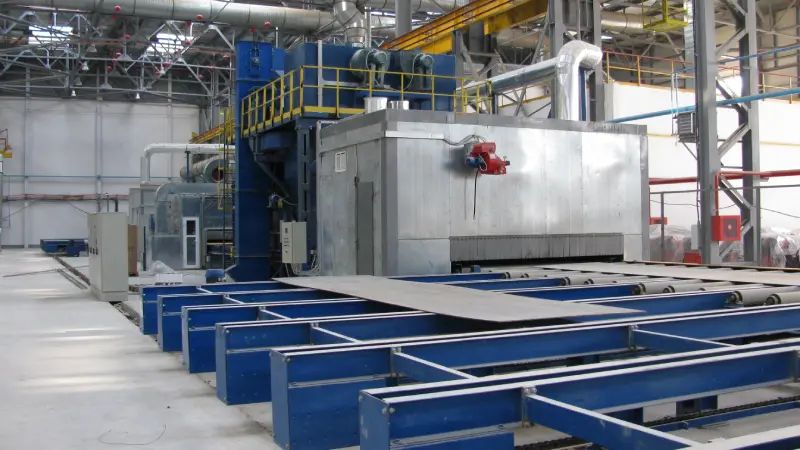
In this article, we will look at the types of transport systems used for shot blasting and painting of rolled metal and welded metal structures.
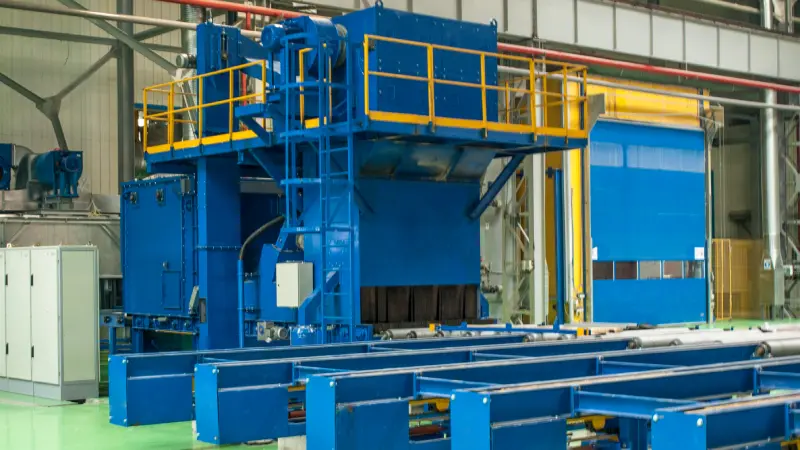
This article discusses the most popular shot blasting machines: a description of their operation and key characteristics.

Learn how to properly clean abrasive residue and dust from metal to ensure reliable surface preparation for painting and extend the service life of steel structures.
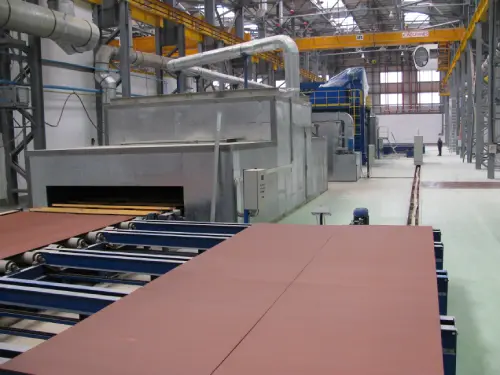
High-quality surface preparation and interoperation protection of rolled metal products are crucial factors in ensuring maximum service life and the highest quality of protective coatings. This preparation can be achieved through shot blasting, followed by the application of a conductive protective primer on the surface of the rolled metal at the stage of its delivery to production.
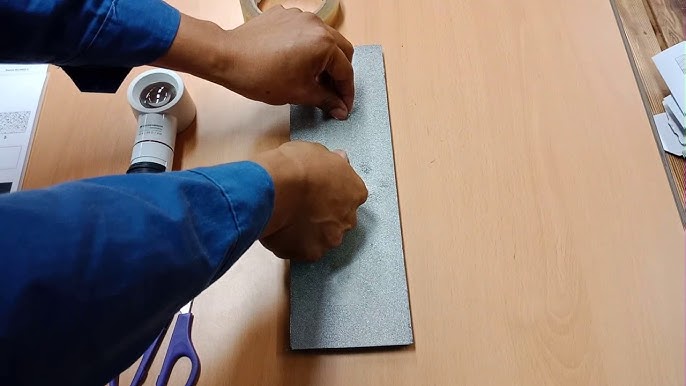
Correct surface preparation is one of the key factors affecting the durability of paint and protective coatings. Measuring the level of dust on steel surfaces before painting helps determine whether additional cleaning and preparation are required.
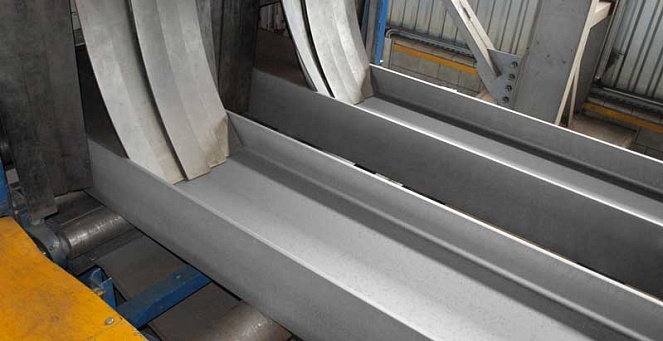
This article provides a brief description of the types and characteristics of shot blasting equipment.