Proper Surface Preparation — A Key Factor in Coating Durability
Correct surface preparation is one of the key factors affecting the durability of paint and protective coatings. Measuring the level of dust on steel surfaces before painting helps determine whether additional cleaning and preparation are required. The cleaner the metal, the better the adhesion of the paint or protective coating, which ultimately extends the service life of the structure.
The Hazard of Dust on Steel
After abrasive blasting, steel surfaces must be completely free of dust. Residual dust particles can significantly reduce the adhesion of paint and protective coatings. Moreover, by absorbing moisture, they accelerate the corrosion process of steel.
It is especially important to control dust accumulation on:
- horizontal surfaces,
- inner walls of pipes,
- hard-to-reach areas and cavities of structures.
Before painting, special inspections must be carried out to ensure that all surfaces are properly cleaned.
Dust Assessment Standards
The most widely used international standard is ISO 8502-3:2017. It describes a method for testing steel surfaces for dust contamination using adhesive tape and provides visual reference samples for comparison.
According to ISO 8502-3, there are six levels of contamination, ranging from 0 to 5:
- 0 — No dust detected even under 10x magnification.
- 1 — Particles are visible only under magnification; diameter less than 50 μm.
- 2 — Dust barely visible to the naked eye; particle diameter 50–100 μm.
- 3 — Particles clearly visible; size up to 0.5 mm.
- 4 — Dust easily noticeable; diameter 0.5–2.5 mm.
- 5 — Large particles over 2.5 mm.
Most steel preparation requirements specify that the dust contamination level should not exceed Grade 2 according to ISO 8502-3.
How the Dust Test Is Conducted
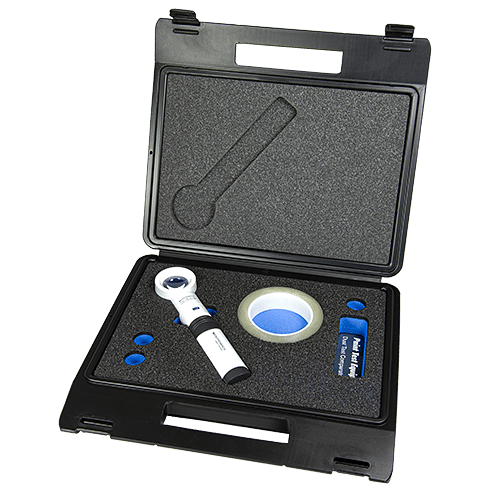
To perform measurements, special ISO 8502-3 test kits are used. These typically include:
- a 10x magnifying glass,
- ISO-compliant adhesive tape,
- a reference scale for comparison,
- detailed instructions,
- test panels and result recording sheets.
Step-by-step inspection process:
- Cut a piece of adhesive tape about 200 mm long.
- Firmly press the sticky side onto the surface and rub several times with even pressure.
- Carefully remove the tape and compare the collected dust with the reference scale.
- Repeat the procedure at least three times on different areas of the surface.
Removing Residual Dust
Even after abrasive blasting, fine dust may remain on the metal surface. To remove it, air-blowing stations and brushing systems are used. Such equipment is often integrated into shot-blasting chambers and steel preparation lines, which significantly improves surface quality before applying protective coatings.
Conclusion
Controlling and removing dust is a critical step in preparing steel surfaces for painting. Compliance with ISO 8502-3 ensures strong coating adhesion and extends the service life of steel structures. Regular testing, high-quality cleaning, and the use of air-blowing stations help achieve maximum corrosion protection.
Related articles
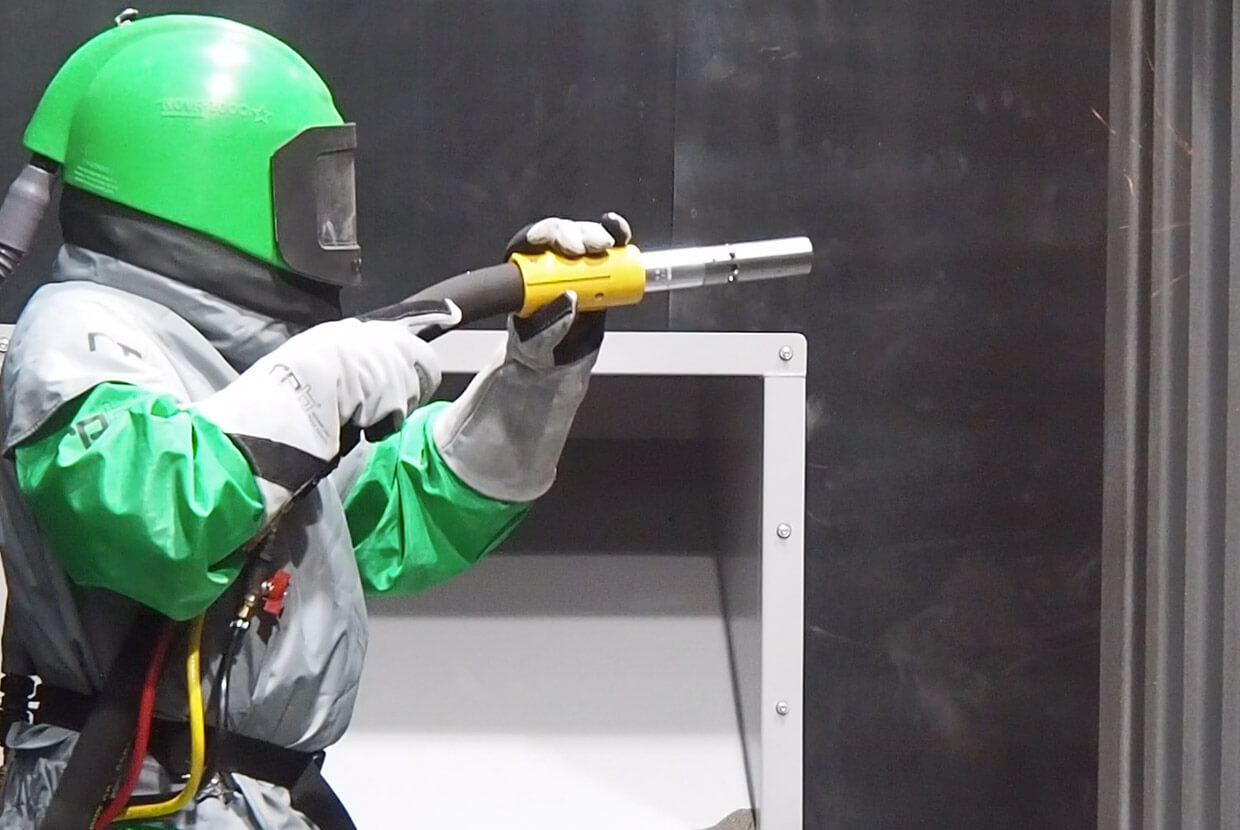
Shot blasting problems are not always caused by poor abrasive quality. In practice, the final cost of the process is shaped by a whole set of factors: working pressure, machine type, separator settings, nozzle wear, and how the abrasive is actually cycled through the system.
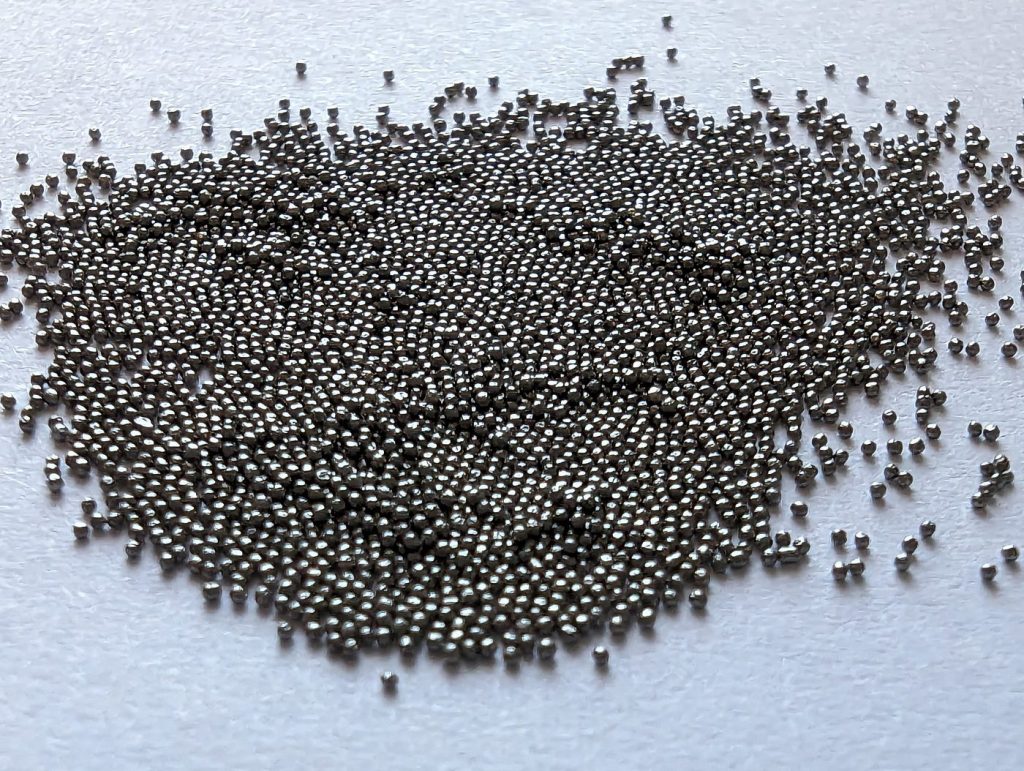
Shot blasting remains the standard for surface preparation in mechanical engineering due to its speed, repeatability, and the cost-effectiveness of abrasives over large volumes. In this new article, we explore the operating principle, types of shot and equipment, and key differences from sandblasting.
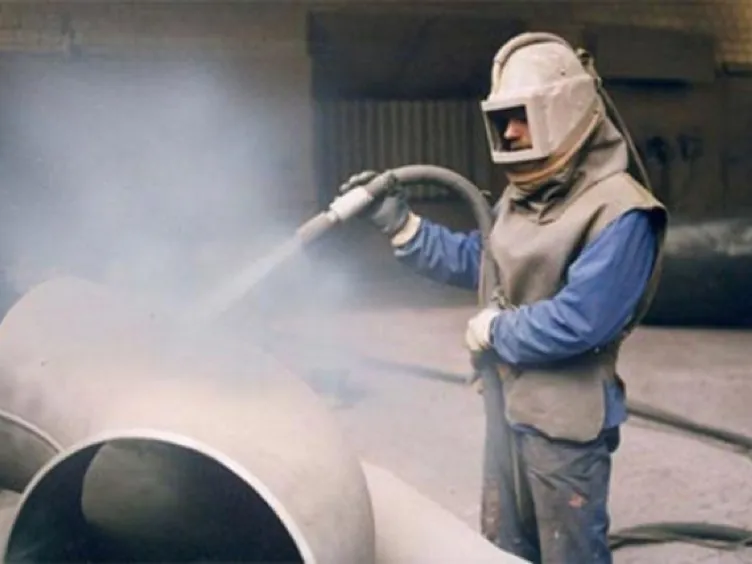
One of the main methods of surface preparation (cleaning and imparting the required roughness) is sandblasting, shot blasting, and wheel blasting treatment. The topic of differences between sandblasting, shot blasting, and wheel blasting technologies is quite relevant. Substitution of these concepts and terms occurs even in professional circles. At the same time, the differences are very significant, and it is simply impossible to ignore them.
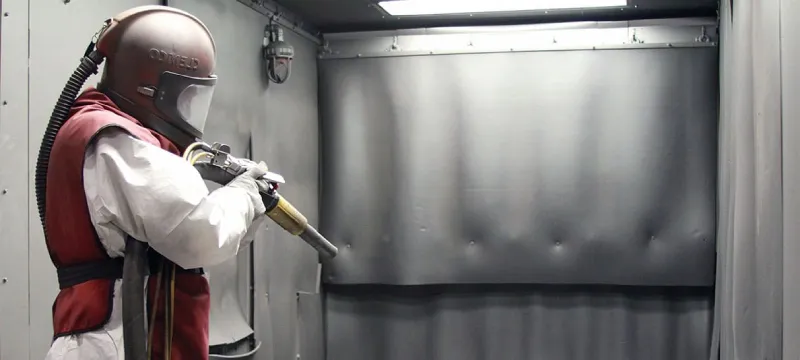
10 practical rules that should be built into the design of shot blasting equipment and into the workshop's operating procedures.
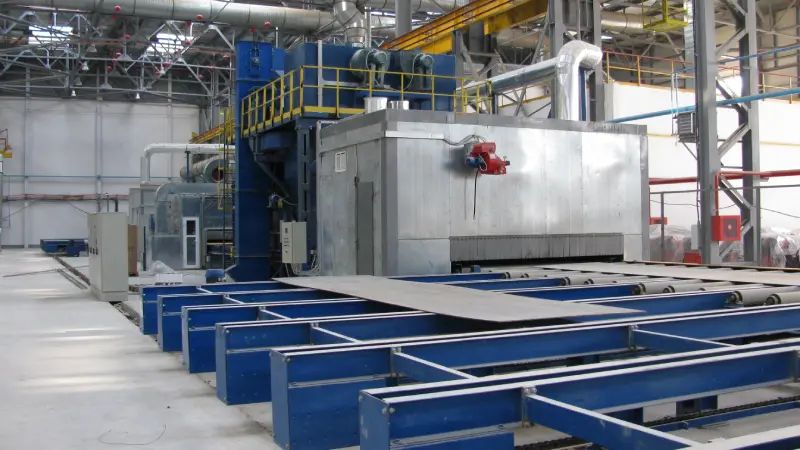
In this article, we will look at the types of transport systems used for shot blasting and painting of rolled metal and welded metal structures.
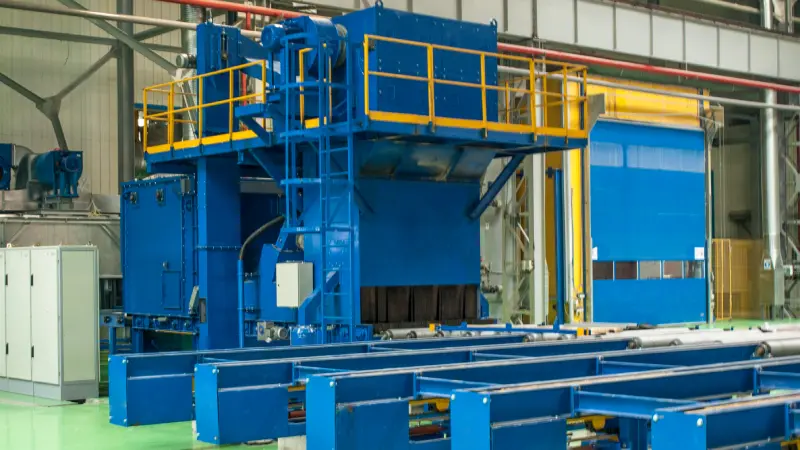
This article discusses the most popular shot blasting machines: a description of their operation and key characteristics.
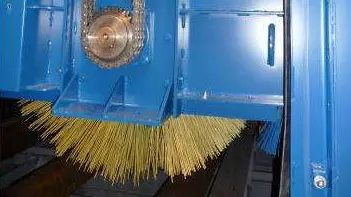
Learn how to properly clean abrasive residue and dust from metal to ensure reliable surface preparation for painting and extend the service life of steel structures.
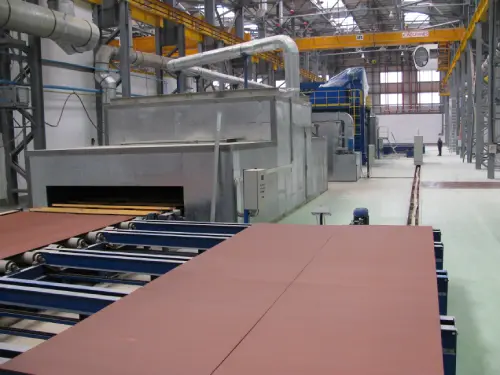
High-quality surface preparation and interoperation protection of rolled metal products are crucial factors in ensuring maximum service life and the highest quality of protective coatings. This preparation can be achieved through shot blasting, followed by the application of a conductive protective primer on the surface of the rolled metal at the stage of its delivery to production.
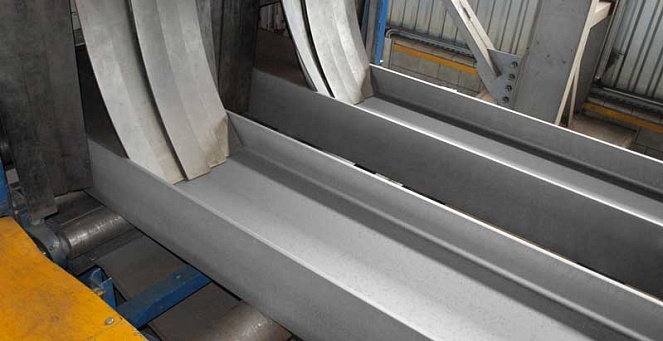
This article provides a brief description of the types and characteristics of shot blasting equipment.