Category
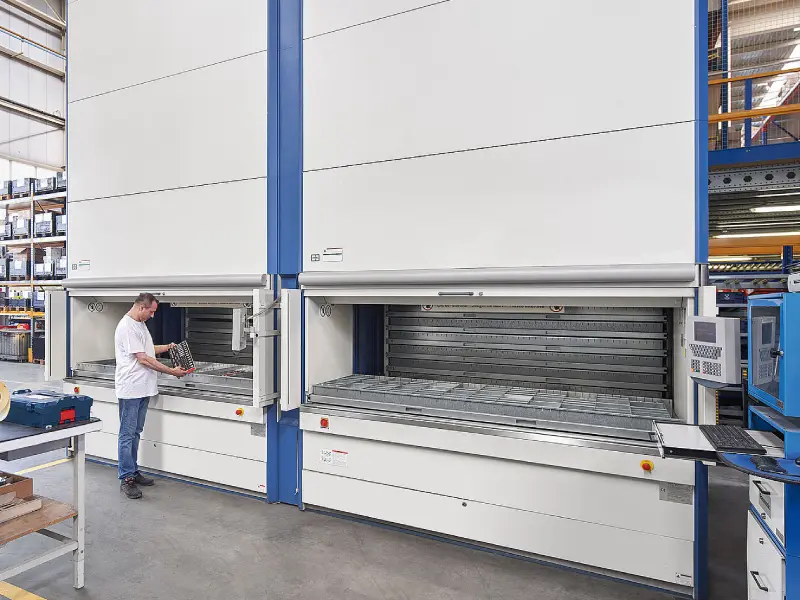
Order picking speed is not determined only by how many people and how much equipment you have. It is shaped far more by the basic logic of the warehouse: does the person go to the goods, or do the goods come to the person? That single choice drives throughput, error rates, the floor space storage occupies and, ultimately, the cost of every order line picked. In this article we look at both principles, break down where picking time goes, compare the approaches on key metrics and explain how to choose the right scheme for your warehouse, from spare parts and tooling stores to sheet metal storage on a production site.
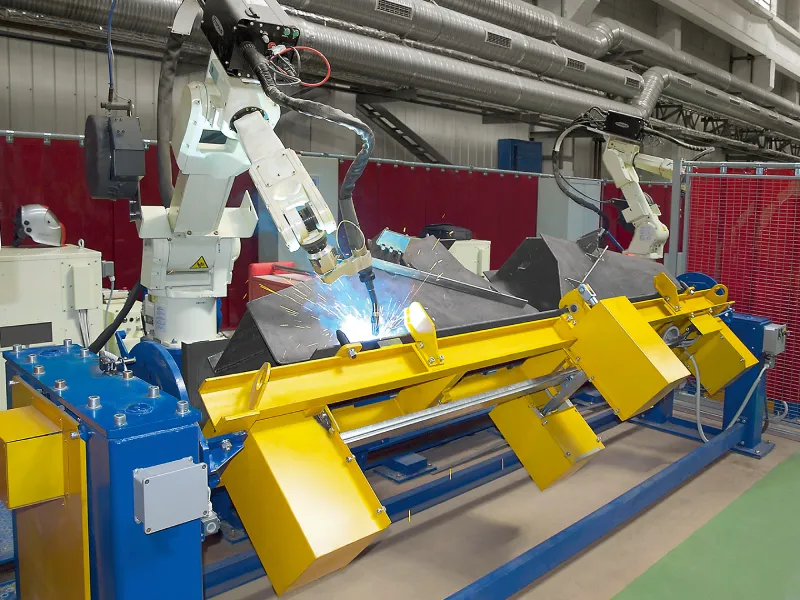
Modern railcar manufacturing places ever higher demands on throughput, weld quality, assembly accuracy and process stability. At the same time, building rolling stock involves a large number of operations that require high repeatability and significant labor input. A robotic welding cell on a railcar manufacturing shop floor.
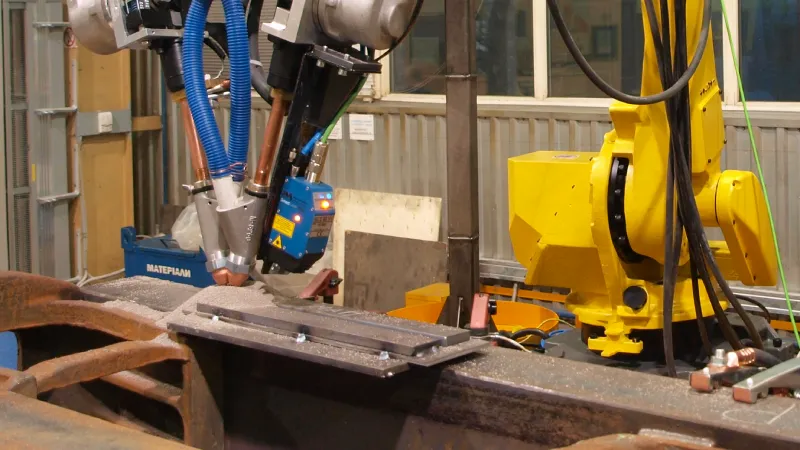
Robotic welding is one of the key automation tools in modern manufacturing. Industrial robots make it possible to perform welding operations with high precision and repeatability, stabilize joint quality, increase throughput, and reduce the influence of the human factor.
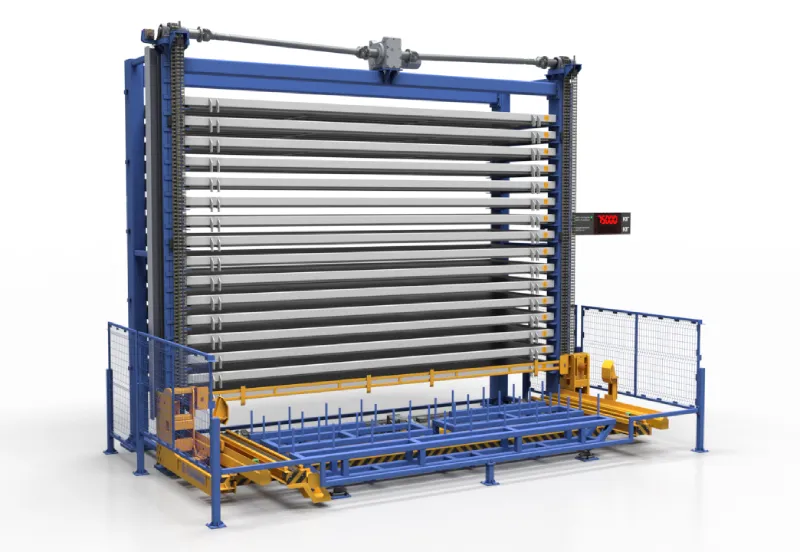
Why inventory accuracy in an automated sheet metal warehouse is a matter of software architecture, not staff discipline.
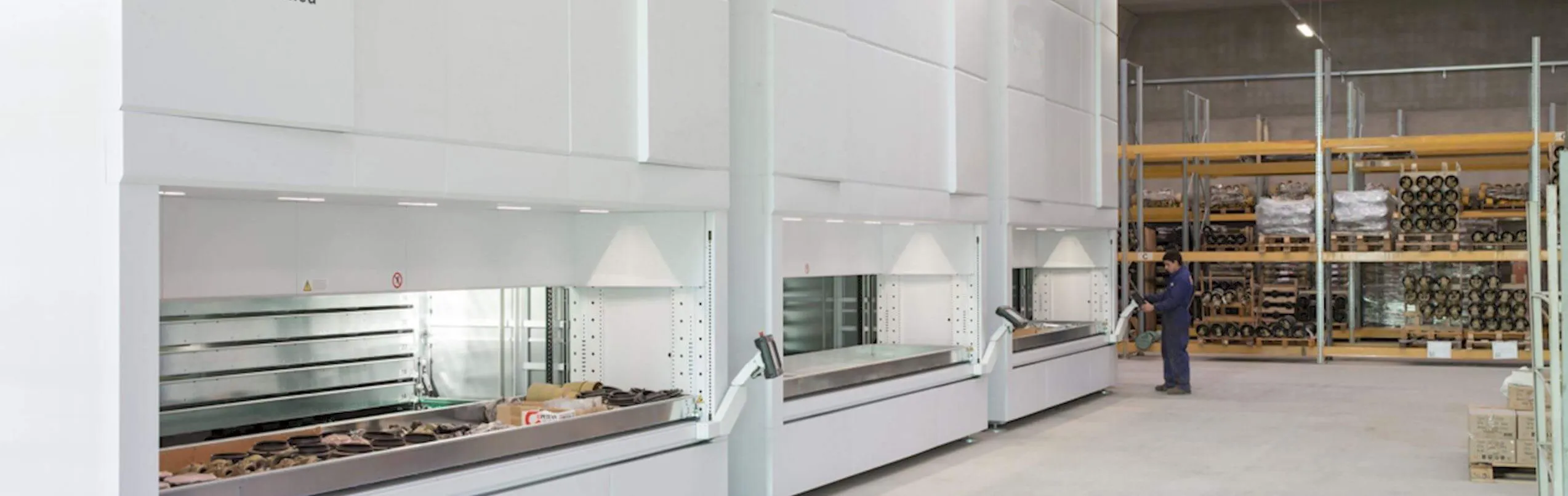
Many misconceptions about automated vertical storage systems still exist. Some companies consider them too expensive, others see them as difficult to operate, while some believe that VLM systems are suitable only for small components or large distribution centers. Let's take a closer look at 12 of the most common myths.