Category
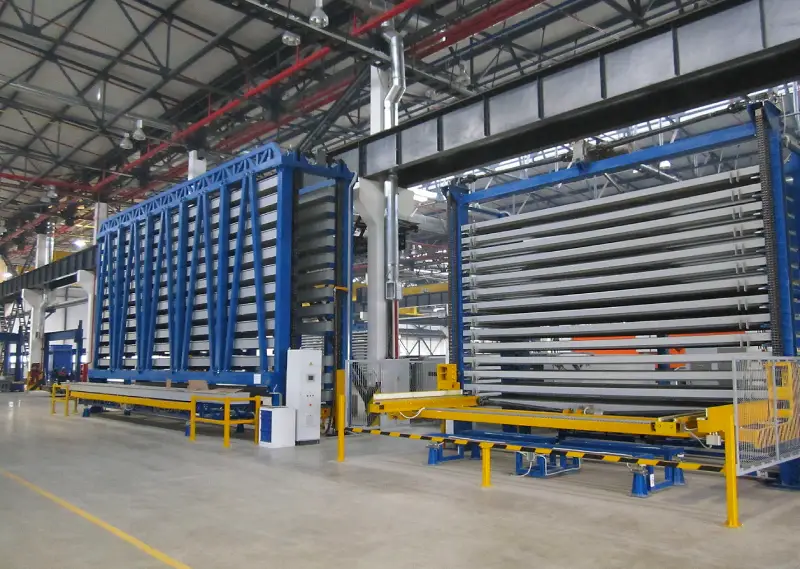
In short: floor storage is the cheapest way to start, but the most expensive in floor area, wasted handling time and damaged material. Cantilever racks are the practical middle ground for most warehouses handling from a few dozen tonnes a month. An automated warehouse pays off where floor space is costly, the range of items is wide and production needs accurate, scheduled retrieval. Below is a comparison by cost, footprint and typical use.
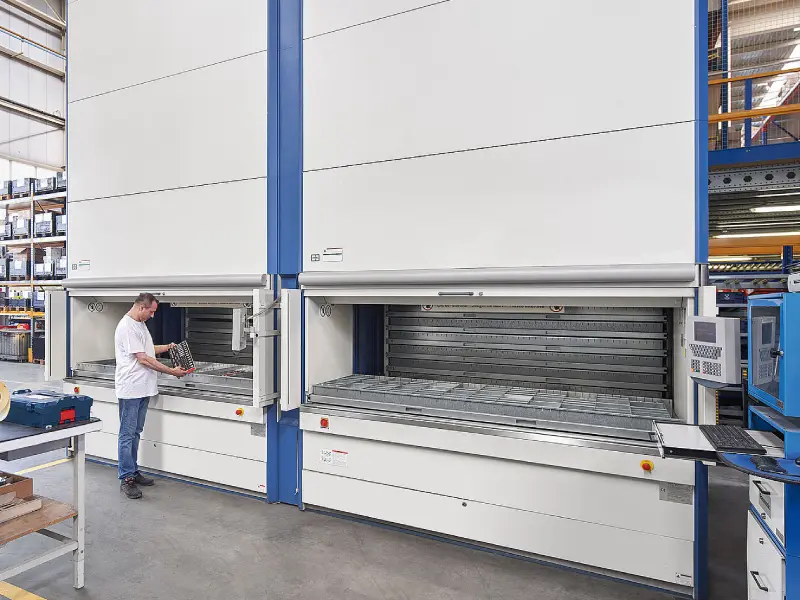
Order picking speed is not determined only by how many people and how much equipment you have. It is shaped far more by the basic logic of the warehouse: does the person go to the goods, or do the goods come to the person? That single choice drives throughput, error rates, the floor space storage occupies and, ultimately, the cost of every order line picked. In this article we look at both principles, break down where picking time goes, compare the approaches on key metrics and explain how to choose the right scheme for your warehouse, from spare parts and tooling stores to sheet metal storage on a production site.
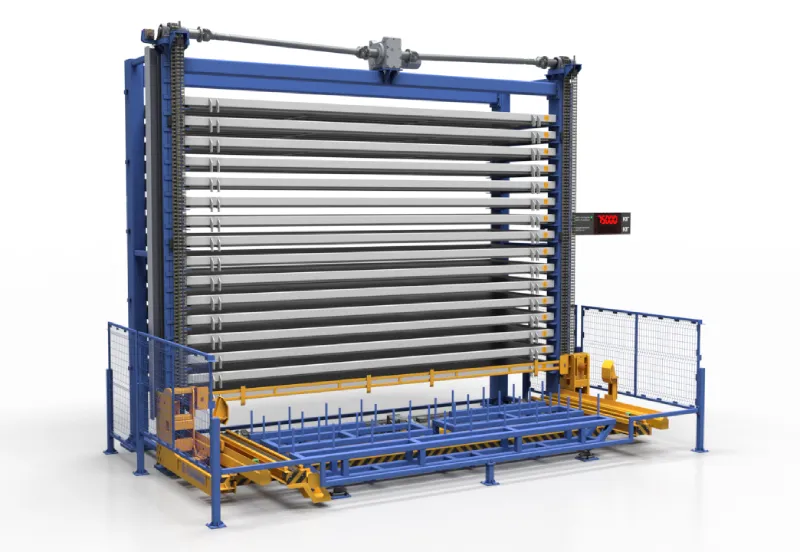
Why inventory accuracy in an automated sheet metal warehouse is a matter of software architecture, not staff discipline.
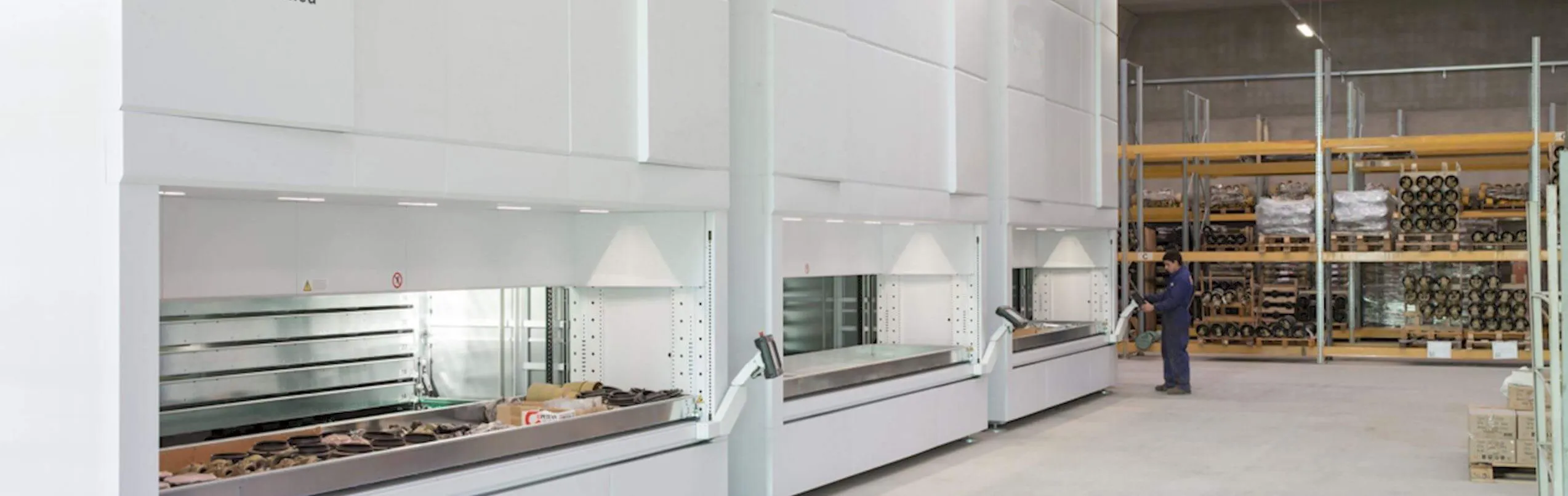
Many misconceptions about automated vertical storage systems still exist. Some companies consider them too expensive, others see them as difficult to operate, while some believe that VLM systems are suitable only for small components or large distribution centers. Let's take a closer look at 12 of the most common myths.
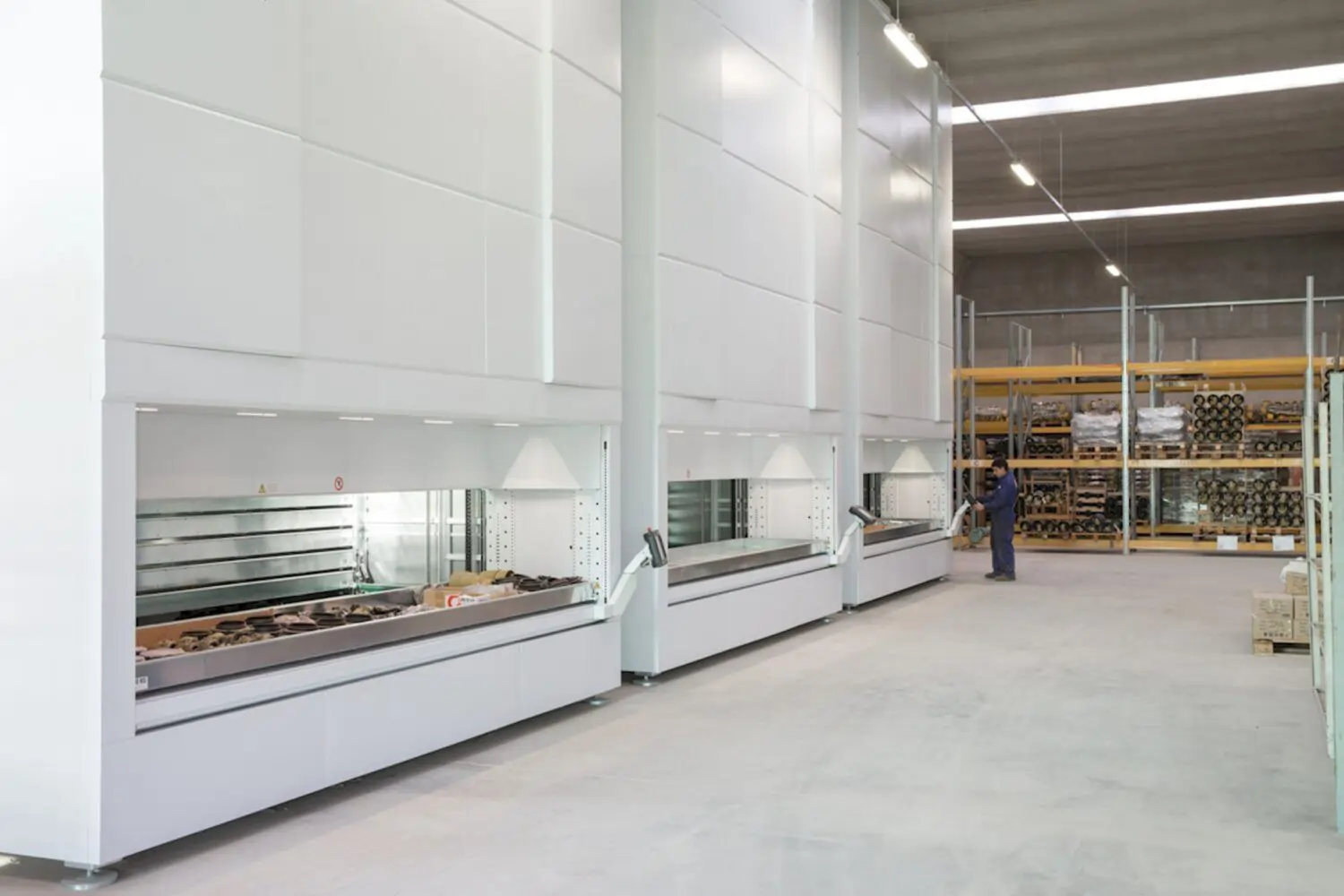
Our new article looks at how TL-1900 to TL-4100 vertical lift warehouses reclaim space once taken up by static shelving, deliver accurate picking, and provide real-time, reliable inventory data.